In an increasingly competitive and unpredictable business environment, organizations are realizing a simple truth: strategy alone does not drive success; people do. A well-crafted talent management strategy is no longer a supporting function; it is a core business imperative.
Yet, many organizations continue to approach talent management in fragments. Recruitment is optimized, performance systems are redesigned, and learning programs are introduced, but often in isolation. The result is a disjointed employee experience and missed opportunities for long-term impact. What organizations need instead is a holistic talent management approach, one that connects every stage of the employee lifecycle and aligns talent decisions with business priorities.
The shift from traditional HR practices to strategic human resource management is not just a trend; it is a necessity. Organizations today are operating in environments where skill requirements evolve rapidly, and the ability to adapt depends heavily on how effectively talent is managed.
A fragmented model can no longer keep pace. When hiring is disconnected from development, or when performance management is treated as a compliance exercise, organizations lose the ability to build meaningful capabilities. In contrast, an integrated approach to employee lifecycle management creates continuity, ensuring that each stage: attraction, development, engagement, and retention, reinforces the other.
This is where leading organizations are differentiating themselves. They are not doing more HR; they are doing it better, with alignment and intent.
A talent management strategy must start with a clear understanding of where the business is headed. Without this alignment, even the most sophisticated HR initiatives risk becoming irrelevant.
Organizations investing in digital transformation, for example, must prioritize digital capabilities, innovation, and agility within their workforce planning strategy. Similarly, businesses expanding into new markets must focus on depth of leadership and cross-functional expertise.
The real shift happens when talent decisions are no longer reactive but forward-looking. This is the essence of effective HR strategy development, anticipating future needs and building capabilities ahead of demand.
An organization’s ability to retain and engage employees is often shaped by how consistent and connected its processes feel. A well-designed employee lifecycle management framework eliminates friction and creates a sense of direction for employees.
Rather than viewing recruitment, performance, and development as separate interventions, organizations should focus on how they work together. For instance, insights from performance management systems should directly inform learning and development strategy, while succession planning should guide career progression.
In practice, this means moving toward fewer, more meaningful interventions, ones that are connected, relevant, and aligned with both employee aspirations and business outcomes.
One of the defining challenges of modern talent management is balance. Organizations must deliver results while also creating an environment where employees feel valued and supported.
Today’s workforce is increasingly influenced by purpose, flexibility, and growth opportunities. This makes employee engagement strategies, talent development, and retention central to any effective approach.
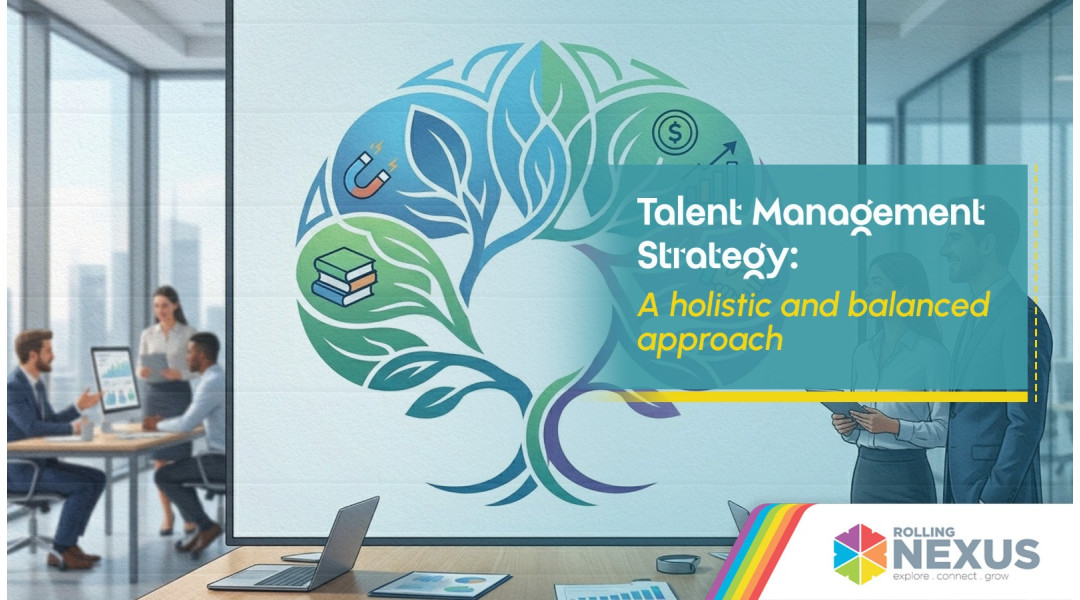
At the same time, organizations cannot lose sight of performance. The most successful strategies are those that integrate both dimensions without overcomplicating execution. This often comes down to a few critical priorities:
These are not new ideas, but their consistent application is what sets high-performing organizations apart.
The role of analytics in talent management has expanded significantly, offering organizations the ability to make more informed and proactive decisions. From predicting attrition to identifying high-potential employees, data is reshaping how organizations approach their workforce planning strategy.
However, there is a tendency to over-reliance on tools and dashboards. While data enhances visibility, it does not replace judgment. Talent decisions still require an understanding of context, culture, and individual motivation.
The most effective organizations use data as an enabler, not a substitute for thoughtful decision-making.
No talent management strategy can succeed without active leadership involvement. While HR defines the framework, it is leaders who shape the day-to-day experience of employees.
Organizations that excel in talent retention strategies often have leaders who act as coaches rather than controllers. They invest time in developing their teams, provide regular feedback, and create opportunities for growth.
This shift, from managing performance to enabling potential, is subtle but powerful. It transforms talent management from a process into a lived experience.
In Nepal, talent management presents both challenges and opportunities. Talent migration, skill shortages, and increasing competition for skilled professionals have made talent retention strategies in Nepal more critical than ever.
At the same time, there is a growing maturity in HR practices in Nepal, particularly among leading organizations in banking, telecom, and the BPO sector. Companies are beginning to invest more intentionally in development programs, employer branding, and structured career pathways.
To strengthen their position, organizations in Nepal should focus on building long-term capability rather than short-term fixes. This includes strengthening early talent pipelines, investing in upskilling, and creating compelling employee value propositions that go beyond compensation.
While systems and strategies provide direction, culture determines sustainability. A strong organizational culture reinforces behaviors, builds trust, and creates alignment across teams.
Organizations that succeed in holistic talent management are those that embed transparency, accountability, and adaptability into their culture. These values shape how employees experience the organization and influence their decision to stay and grow.
Without this cultural foundation, even the most well-designed strategies risk becoming ineffective over time.
A talent management strategy is only as effective as its execution. The shift toward a holistic and balanced approach is not about adding complexity; it is about creating clarity and alignment.
Organizations that succeed in this space tend to focus on a few fundamentals: aligning talent with business goals, integrating the employee lifecycle, and balancing performance with experience. These are not quick wins, but they deliver sustainable impact.
For organizations looking to move forward, the real question is not whether talent management needs to evolve, but how quickly they are willing to make that shift.