
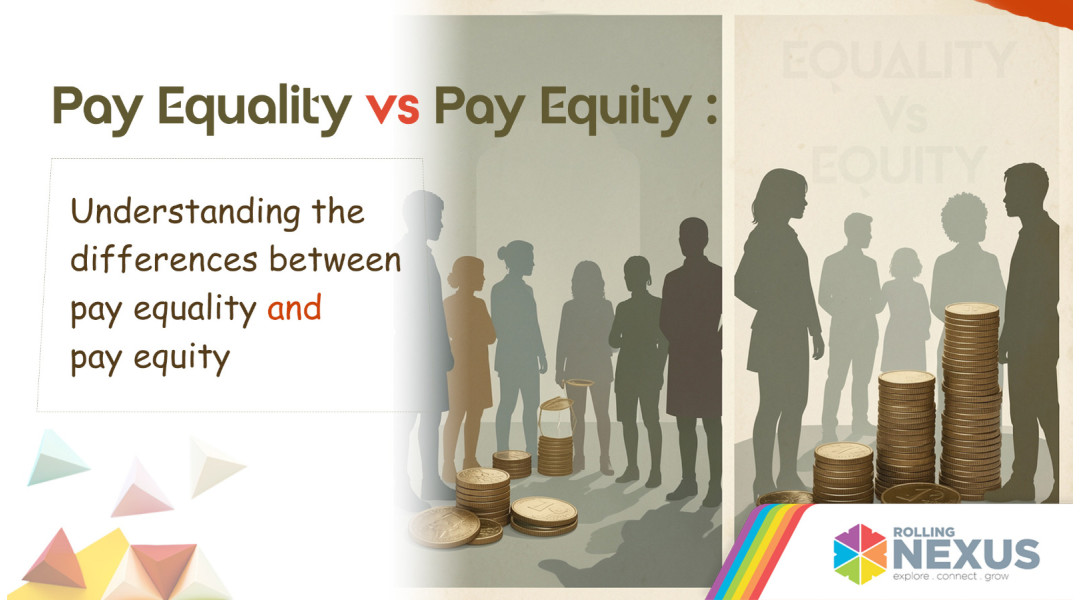
In today’s evolving workplace, conversations around fairness in compensation are gaining more attention than ever. Terms like pay equality and pay equity are often used interchangeably in boardrooms, HR policies, and public discourse. However, while they may sound similar, they represent fundamentally different approaches to designing compensation systems within organizations. For HR leaders and organizations, especially in growing economies like Nepal, understanding this distinction is not just important; it is essential to building trust, retaining talent, and creating sustainable workplaces.
At its core, pay equality refers to a straightforward idea: individuals performing the same job, under similar conditions, should receive the same pay regardless of gender, ethnicity, or other personal characteristics. This principle has long been recognized globally and is embedded in labor laws across many countries. It ensures that direct discrimination is minimized and that fairness exists at the most visible level of compensation.
Pay equity, however, takes a broader and more meaningful approach. Instead of focusing only on identical roles, it evaluates whether different jobs are compensated fairly based on their overall value to the organization. It asks a deeper question: are we valuing work fairly, even when the roles look different on the surface? This distinction becomes especially important in roles that have historically been undervalued despite requiring significant skill and responsibility.
The difference between the two can be summarized:
While equality focuses on uniformity, equity focuses on fairness. And in practice, fairness often requires going beyond surface-level comparisons.
Despite increased awareness and regulatory efforts, the global pay gap continues to exist. Women, on average, still earn less than men across most regions of the world. Estimates suggest that the global gender pay gap remains around 19 percent, with even developed economies struggling to close the gap completely.
What makes this more complex is that the gap is not always due to unequal pay for the same job. Instead, it is influenced by deeper structural issues that shape how work is distributed and valued in society. This is why focusing only on pay equality is not enough to address the problem at its root.
Some of the key global patterns include:
These factors collectively contribute to unequal outcomes, even when equal pay policies are in place.
In Nepal, the conversation around pay equity is still developing, but it is becoming increasingly relevant. While there has been progress in promoting gender equality, workplace realities continue to reflect structural imbalances. A significant number of women are engaged in informal employment or sectors that traditionally offer lower wages. Cultural expectations also influence career choices, often limiting access to higher-paying opportunities. Additionally, many organizations, particularly small and medium enterprises, lack formal compensation structures, making it difficult to measure and ensure fairness.
At the same time, there are encouraging signs of change. Sectors such as banking, multinational companies, and development organizations are gradually adopting structured HR practices, including standardized pay systems and diversity-focused policies. These efforts indicate that while Nepal is still in the early stages of addressing pay equity, the foundation for progress is being built.
For organizations today, fair compensation is no longer just a compliance issue; it is a business priority. Employees are more informed, more vocal, and more sensitive to issues of fairness than ever before. Organizations that fail to address pay disparities risk losing both talent and credibility.
Moving towards pay equity brings several long-term advantages:
On the other hand, ignoring these issues can lead to disengagement, reputational risks, and missed growth opportunities.
Shifting from pay equality to pay equity is not a one-time effort, but it requires a structured and continuous approach. Organizations need to move beyond intent and focus on implementation. A few practical steps include:
The distinction between pay equality and pay equity reflects a broader shift in how organizations think about fairness. Equality ensures that individuals in the same roles are treated the same, but equity ensures that the system itself is fair. And that distinction matters. As workplaces become more diverse and expectations continue to evolve, organizations must move beyond basic compliance and take a more thoughtful approach to compensation. Because true fairness is not about giving everyone the same, it is about recognizing value, addressing imbalance, and ensuring that every individual is rewarded justly.